

Disclosure: This article may contain affiliate links, which means we may earn a commission if you purchase through these links — at no extra cost to you. We are a member of the Amazon Services LLC Associates Program and we earn from qualifying purchases. See our Disclosure Policy for more information.
🕊️ Simple Summary
Talking about death may feel uncomfortable, but avoiding the conversation often creates more stress later. When we start early and speak with honesty and care, we give our loved ones clarity, peace of mind, and a stronger sense of connection. You do not need perfect words. You just need the willingness to begin.
NOTE:
This guide is for general educational purposes only and is not legal or medical advice. Laws and healthcare requirements vary by state, so speak with an attorney or healthcare professional if you need help completing your documents or making decisions about your medical care.
Talking about death is not something most of us are taught how to do. We learn how to plan vacations, buy homes, raise families, and prepare for retirement, but conversations about end-of-life often get pushed aside.
Most of us would rather talk about almost anything else. Vacation plans. Home projects. Even politics. When it comes to death, we often hope that avoiding the topic will make it feel less real or less urgent. It is even hard for us as a family to have these talks about our future deaths. It is uncomfortable and brings up strong emotions. Avoiding the conversation does not make it go away. It makes navigation harder when emotions are high and time feels limited.
I have sat with families who took the time to talk about these things early. I have also sat with families who never did. The difference is not about preparation alone. It is about peace of mind. When conversations happen before they are needed, families feel steadier. They feel more confident. They can focus on each other rather than second-guessing every decision.
Starting the conversation about death is not morbid. It is thoughtful. It is practical. Most of all, it is an act of care for the people we love. This guide is here to help us begin in a way that feels human, gentle, and manageable.
Why We Avoid Talking About Death
People avoid this conversation not because they do not care. It is avoided because talking about death brings up emotions that are hard to name and even harder to sit with. Fear, vulnerability, uncertainty, and grief often surface long before anything actually happens. Avoiding the topic can feel like a form of protection.
I experience this myself. Even as a professional, these conversations can feel uncomfortable with the people I love. What I have learned, though, is that once we accept that death is part of life, the conversation becomes easier and unfolds more naturally.

Fear of Upsetting the People We Love
One of the most common reasons we avoid talking about death is the fear of causing distress. We worry that bringing it up will scare our partner, overwhelm our parents, or confuse our children. Our intention is usually loving. We want to protect the people who matter most to us.
What we often do not realize is that silence can create its own kind of stress. When no one knows what the other is thinking or hoping for, uncertainty fills the space. Conversations that happen early and gently often bring reassurance rather than fear.
Not Knowing How to Bring It Up
Sometimes, we do not know where to begin. There is no universal script for talking about death, and that uncertainty can stop us before we even try. We wait for the right moment, the right words, or a clear reason to start the conversation.
Because the topic feels so important, we worry about saying the wrong thing. So we say nothing at all. What helps most is remembering that the first conversation does not need to be perfect. It only needs to begin.
Cultural and Generational Taboos
In many families, death is not something we talk about openly. Cultural traditions or generational beliefs may frame it as private, uncomfortable, or unnecessary to discuss in advance. Some of us were raised to believe it is better not to dwell on these things.
These unspoken rules can make it hard to know what feels acceptable. Still, respectful and thoughtful conversations can often bridge those gaps, especially when we approach them with curiosity and a desire to honor one another rather than control outcomes.
The Belief That There Is Plenty of Time
When life feels stable, it is easy for us to assume there will be time later to talk about difficult topics. Busy schedules and everyday responsibilities push long-term conversations aside. We tell ourselves we will deal with it when it feels more urgent.
The problem is that urgency often arrives without warning. Conversations held during calm moments are usually clearer, kinder, and less emotionally charged than those forced by crisis.
Avoiding the conversation may feel easier in the short term, but it does not remove the need for it. It simply shifts the weight to a moment when emotions are heavier, and decisions feel more overwhelming.
Why the Conversation Matters
Talking about death is not just about planning for the end of life. It is about how we care for one another while we are still here. When we take the time to have these conversations, we create clarity, reduce uncertainty, and strengthen our relationships in ways we may not expect.
When we avoid the topic, loved ones are often left guessing. They wonder what matters most, what choices feel right, and whether they are honoring the wishes of the person they care about. Those questions can be heavy. Open conversations help remove that burden.
I have seen how helpful these conversations can be within my own circle. Knowing each other’s wishes removes uncertainty and makes it easier to honor those choices when the time comes. It also means the topic does not hang over us unresolved.
When I raise this subject with others, reactions vary. Some have never given it much thought. Others are surprised by the complexity and cost of end-of-life arrangements.

Clarity for Everyone Involved
When we talk openly about our wishes, values, and priorities, we give the people around us clear guidance. We help them understand what matters most to us, whether that relates to medical care, comfort, spiritual beliefs, or how we want to be remembered.
Clarity reduces confusion. It allows everyone to move forward with confidence instead of doubt. Even if plans change over time, having a starting point makes future decisions feel more grounded.
Peace of Mind Before and After
Knowing that we have shared our thoughts brings a sense of calm. We no longer carry the quiet worry of what might happen if something unexpected occurs. Our loved ones also gain peace of mind, knowing they are not left to make difficult choices alone.
This sense of calm does not come from having every answer. It comes from knowing the conversation has started, and that openness exists.
Stronger Connection and Trust
Honest conversations tend to deepen connection. When we talk about meaningful topics, we allow ourselves to be seen more fully. We listen more carefully. We learn what truly matters to one another.
These conversations often lead to greater trust. They remind us that planning is not about control. It is about respect and care.
Thoughtful Planning Without Pressure
When conversations happen early, planning becomes less stressful. We can think clearly and make decisions without the pressure of a crisis. We have time to ask questions, reflect, and revisit choices as life evolves.
Planning done calmly is almost always kinder than planning done in urgency. It allows for thoughtful choices rather than rushed decisions.
Talking about death does not take away from living. In many ways, it helps us live more intentionally and care for the people we love with clarity and compassion.
When Is the Right Time to Talk
The right time to talk about death is almost always earlier than we think. People often wait for a clear signal or a serious event before starting a conversation, but those moments usually arrive with stress and very little emotional space. Conversations held before they are needed tend to be calmer, clearer, and more compassionate.
There is no perfect moment. What matters most is choosing a time when everyone feels relatively safe and unhurried. The goal is not to resolve every detail at once, but simply to open the door.
Both professionally and personally, I have learned that the best time to talk is when nothing is urgent or pending. This is not a reaction to a crisis, but a thoughtful step many people eventually face. Seen this way, it becomes less intimidating and more like an act of care.

During Calm and Everyday Moments
The best conversations often happen during ordinary moments. A quiet morning. A walk together. A long drive. Times without immediate pressure allow us to speak more honestly and listen more fully.
Starting the conversation during calm moments helps reduce anxiety. It sends the message that this is a normal and thoughtful topic, not a response to an emergency.
After a Life Change or Milestone
Certain life events naturally prompt reflection. Marriage, the birth of a child, a health diagnosis, retirement, or entering a new stage of life can create openings for deeper conversations.
These moments remind us that life changes and that planning is a way of caring for the people we love. Talking during these transitions can feel more natural because the conversation fits into what is already happening.
When Planning for the Future
Many of us find it easier to start the conversation when working on practical matters such as a will, insurance, or financial planning. These activities often lead naturally to questions about wishes, values, and preferences.
Framing the conversation as part of responsible planning can make it feel grounded. It becomes about preparation, not fear.
When the Question Comes Up Naturally
Sometimes the opening appears on its own. A comment in a movie. A news story. A simple question about what we would want if something unexpected happened. These moments can be gentle invitations.
The most important thing to remember is that the right time does not require urgency. It requires intention. Starting sooner allows the conversation to unfold over time in a way that feels supportive rather than overwhelming.
How to Start the Conversation
Starting a conversation about death can feel awkward, even when we know it matters. People often worry about saying the wrong thing or choosing the wrong moment, and that hesitation is completely normal. What helps is remembering that this does not need to be a formal or heavy discussion.
We do not need perfect words. We only need honesty and care.
I have seen that once families accept death as a part of life, the conversation often comes with more ease. Some of the most meaningful discussions I have had happened over dinner or during a walk, without planning or ceremony.

Choose a Comfortable Setting
Where we talk matters. Conversations tend to flow more easily when we feel relaxed and unhurried. Sitting together over coffee, taking a walk, or sharing a quiet drive can create space for openness.
A familiar setting reminds us that this is a conversation between people who care for each other.
Lead With Openness and Kindness
It can help to acknowledge that the topic feels heavy. Naming that discomfort often softens it. We might share that something important has been on our mind.
When we lead with kindness and vulnerability, we invite the same in return.
Ask a Gentle Question
Questions can open the door without pressure. Asking what matters most or whether we have ever thought about our wishes allows the conversation to unfold naturally.
Gentle questions create room for reflection and listening.
Share Our Own Thoughts First
Sometimes it helps to go first. Sharing our own ideas or plans can make the conversation feel safer and more balanced.
When we speak from our own experience, we give others permission to do the same.
Allow the Conversation to Be Imperfect
Starting the conversation is not about getting everything right. It is about showing up, listening with compassion, and taking the first step together.
Need a Little Help Getting Started?
Talking about death doesn’t have to be one perfect conversation. Often, the hardest part is simply knowing how to begin.
Our free Talking About Death: A Gentle Guide to Starting the Conversation includes conversation starters, practical tips, and gentle prompts to help you talk with confidence and compassion.
Download your free guide and keep it nearby when you’re ready to begin.
How We Talk About It Matters
When we talk about death, the words we choose can either open the conversation or quietly shut it down. Many of us worry about saying the wrong thing. That hesitation makes sense.
The conversation does not depend on perfect wording. It depends on intention.
Words That Can Open the Conversation
Simple and sincere language often feels safest. We might say:
- I want to talk about something that has been on my mind.
- I have been thinking about the future and what matters most to us.
- This feels uncomfortable, but it is important to me.
- Can we talk about what we would want if one of us were to get very sick.
These openings invite dialogue without pressure.
Language That Can Make Things Harder
Language that focuses on extreme scenarios or urgency can shut the conversation down. Vague wording can also create confusion.
Clear and gentle words tend to feel more grounding. Being direct does not mean being harsh.
Giving Ourselves Permission to Be Human
We do not have to get everything right. Words may come out awkwardly. That does not mean we failed.
What matters is that we showed up and tried.
Talking With Different Age Groups
Conversations about death look different depending on age and life experience. What matters most is meeting one another where we are.
These conversations also change depending on the season of life. I do not have children of my own, but I have sat with young families during pre-planning conversations, and with families who were forced to have these discussions after a loss. In every case, the same things matter most: truth, honesty, and sincerity.
I see this play out in smaller, everyday ways as well. I have young nieces and a nephew, and recently their family dog passed away. They had questions, big feelings, and thoughtful observations about loss. What stood out to me was not how much they understood, but how much comfort came from answering honestly and allowing space for their emotions. It reinforced something I have seen time and again.
When we speak plainly and with care, even difficult conversations become more manageable.

When We Talk With Children
Honesty and simplicity go a long way. Children often sense more than we realize.
We can let children guide how much they want to know and remind them that questions are always welcome.
When We Talk With Teenagers
Teenagers often think deeply. Creating space for honesty and listening without rushing helps build trust.
When We Talk With Parents or Older Adults
Approaching the conversation with respect and curiosity can help it feel supportive.
These conversations are about honoring wishes and strengthening connections.
Gentle Ways to Keep the Conversation Going
Talking about death does not have to happen all at once. These conversations often work best when they unfold slowly over time. This is absolutely true for a topic such as this.
The conversation can shift over time due to differing beliefs, changes in residency, etc. Given the weight of these decisions, I encourage you to let the conversation evolve as it does in life. It is also very important to document this for future reference.
Let the Conversation Be Ongoing
Small conversations add up. We can pause and return to the topic later.
Use Everyday Moments as Openings
Movies, news stories, or shared experiences can gently reopen the conversation.
Allow Space for Humor and Stories
Not every conversation needs to be heavy. Humor and memories can bring warmth and ease.
Set Aside Time for Practical Details Later
Separating emotional conversations from practical planning can reduce pressure.
Key Takeaways
Starting the conversation about death early, with honesty and care, brings clarity, peace of mind, and a deeper connection for everyone involved.
Final Thoughts
Talking about death takes courage. Choosing to begin these conversations means choosing care, honesty, and connection.
These conversations are not really about death. They are about values, wishes, and how we care for one another.
We do not need all the answers. What matters is that we start and allow the conversation to grow over time.
Starting the conversation is one of the kindest things we can do.
Talking is the first step.
But sometimes it helps to think through your own wishes privately before sharing them with someone else.
If you are not sure how to organize your thoughts or where to begin, having something simple in front of you can make the next conversation feel much less overwhelming.
That is why we created a gentle starting point.

A Gentle Next Step
If you would like a quiet place to begin, our End-of-Life Planning Kit was created to help you reflect on your values, organize your thoughts, and feel more prepared before having the conversation with others.
It is calm. It is simple. It is designed to feel manageable.
You can download the kit and take your first step at your own pace.
If this topic matters to you, we also invite you to join our mailing list. We share thoughtful guidance, practical planning tools, and steady encouragement for navigating end-of-life conversations with clarity and care.
Starting small is still starting.
And starting is what makes all the difference.
Even a small step today can bring comfort tomorrow.
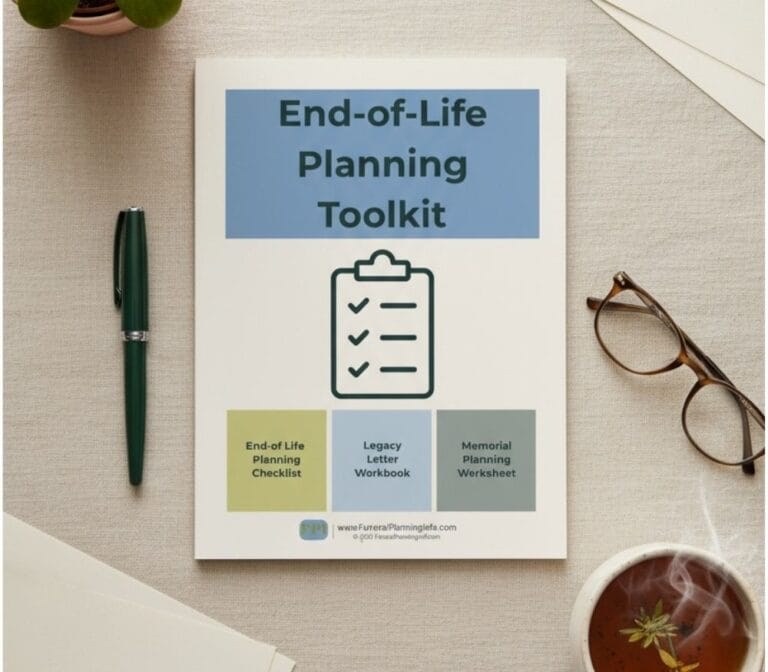
Get Your Free
End-of-Life Planning Toolkit!
This simple, powerful toolkit will help you start conversations, record your wishes, and take control of one of life’s most difficult topics—with compassion and clarity.
✅ Make your wishes clear and spare your family confusion
✅ Leave behind messages that bring peace and connection
✅ Handle details now—so others don’t have to later
Everything inside is reviewed for clarity and emotional safety, so you can trust each step you take.
Frequently Asked Questions When Talking About Death
Is it morbid to talk about death?
No. Talking about death is not about focusing on loss. It is about clarity, care, and making thoughtful choices before a crisis happens.
When is the right time to start the conversation?
The best time is during calm, everyday moments. Waiting for a crisis often makes the discussion more stressful.
What if my family does not want to talk about it?
Start gently. Share your own thoughts first and explain why the conversation matters to you. Sometimes it takes more than one attempt.
How do I talk to my parents about end-of-life wishes?
Approach the conversation with respect and curiosity. Frame it as a way to honor their wishes, not control decisions
Do we need to decide everything in one conversation?
No. These discussions work best when they unfold over time.
