
Disclosure: This article may contain affiliate links, which means we may earn a commission if you purchase through these links — at no extra cost to you. We are a member of the Amazon Services LLC Associates Program and we earn from qualifying purchases. See our Disclosure Policy for more information.
🕊️ Simple Summary
Cremation and burial each have advantages, costs, and emotional considerations. Cremation is often less expensive and more flexible, while burial provides a permanent gravesite and may better fit certain traditions. The right choice isn’t about what others would choose. It’s about what feels right for you, your family, and your wishes.
NOTE:
This guide is for general educational purposes only and is not legal or medical advice. Laws and healthcare requirements vary by state, so speak with an attorney or healthcare professional if you need help completing your documents or making decisions about your medical care.
Cremation vs. burial. How do you know which one is right for you or someone you love?
If you’re asking this question, you’re not alone. I’ve had this conversation with many families over the years, and it comes up when people are trying to make the best decision for themselves or someone they love.
Sometimes the decision had to be made quickly after a loss. Other times, it came up during thoughtful conversations about planning ahead and making things easier for the people they care about most.
There is no single right answer. What you can do is choose the option that best reflects your values, your beliefs, and your budget while giving you and your family peace of mind.
In this guide, you will learn the key differences between cremation and burial, the pros and cons of each, cost factors, environmental considerations, and how cultural or religious traditions may influence your choice.
I have had these conversations at kitchen tables, in hospital rooms, and across cemetery lawns. The perspective I share here comes from walking people through one of the most personal decisions they will ever make.
My goal is simple. To give you the information and confidence to choose what feels right for you and the people you love.
What’s the Difference Between Cremation and Burial
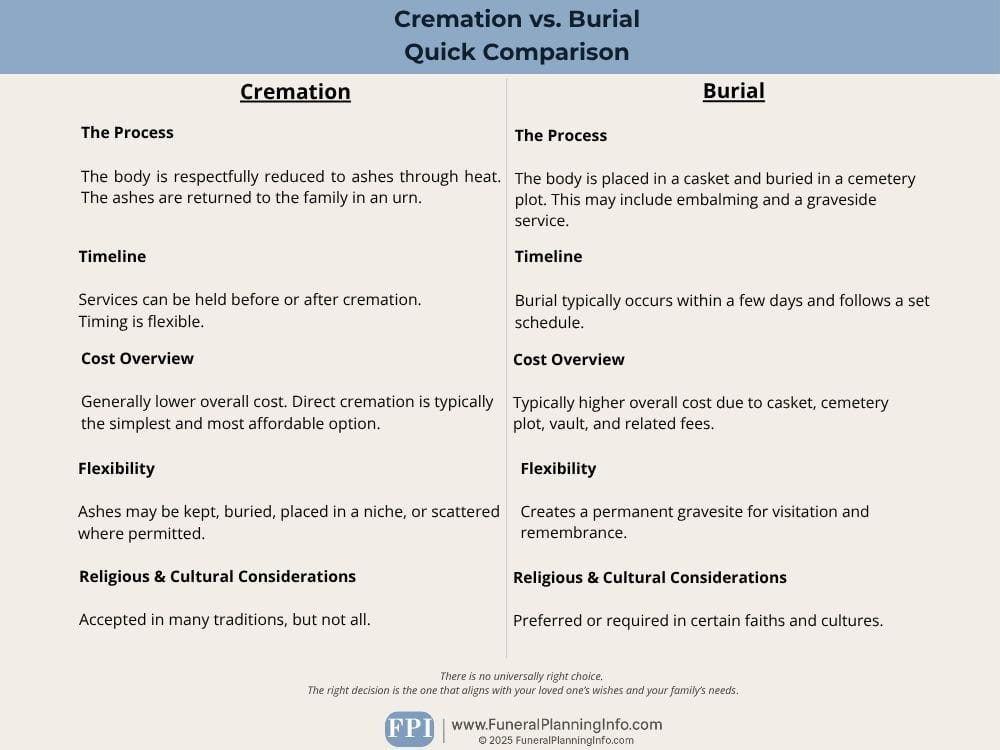
Before comparing costs, benefits, and personal preferences, it helps to understand what cremation and burial actually involve. Many families are surprised to learn how much flexibility there is in both options.
What Is Cremation
Cremation is the process of reducing a body to ashes using high heat in a specialized chamber. After the cremation is complete, the loved one’s remains are returned to the family, usually in an urn.
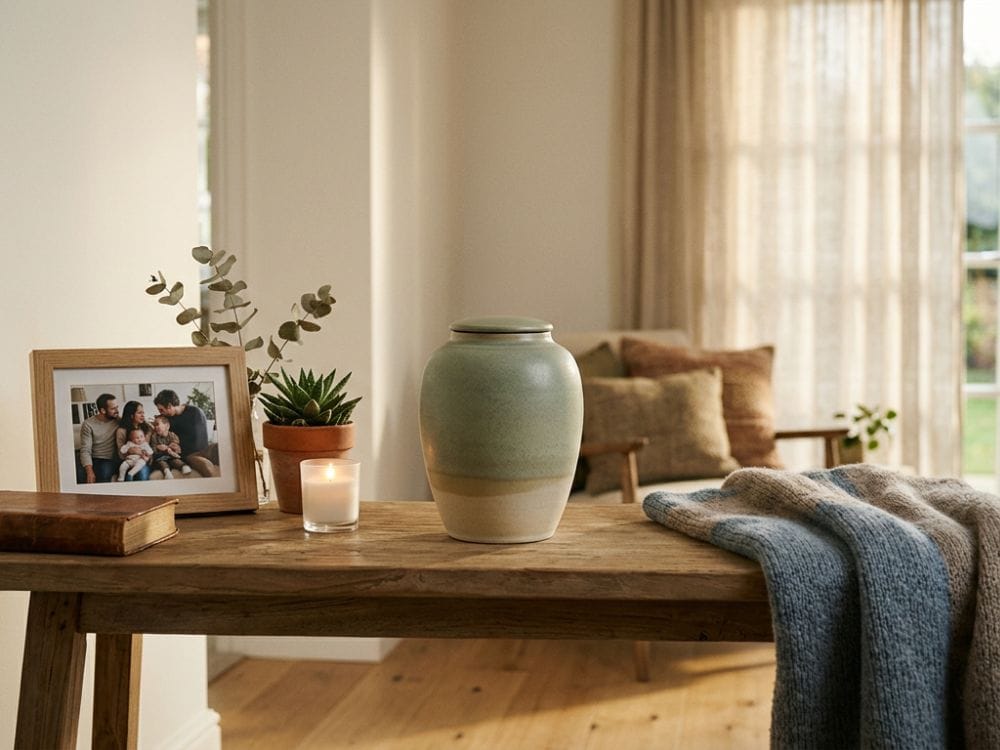
Families may choose to keep the urn at home, scatter the remains in a meaningful location, bury them in a cemetery, or place them in a columbarium.
What Is Burial
Burial typically involves placing the body in a casket and lowering it into a grave or being placed in an above-ground mausoleum.
Some burials include embalming and a traditional funeral service, while others are simpler, especially for green or natural burials.
Can You Have a Service with Either Option
Both cremation and burial can include a viewing, funeral service, or memorial. Choosing cremation does not mean giving up the opportunity for a meaningful ceremony, and choosing burial does not mean you have to follow a strict or traditional format.
These are not all-or-nothing decisions. You can choose cremation with a full service, or burial with something simple and private.
Cremation
Cremation has become an increasingly popular choice in today’s times. It offers flexibility and affordability, while also giving families more control over timing and memorial options. At the same time, there are important emotional, cultural, and practical factors to consider before making a decision.
What Families Often Appreciate About Cremation
Lower cost
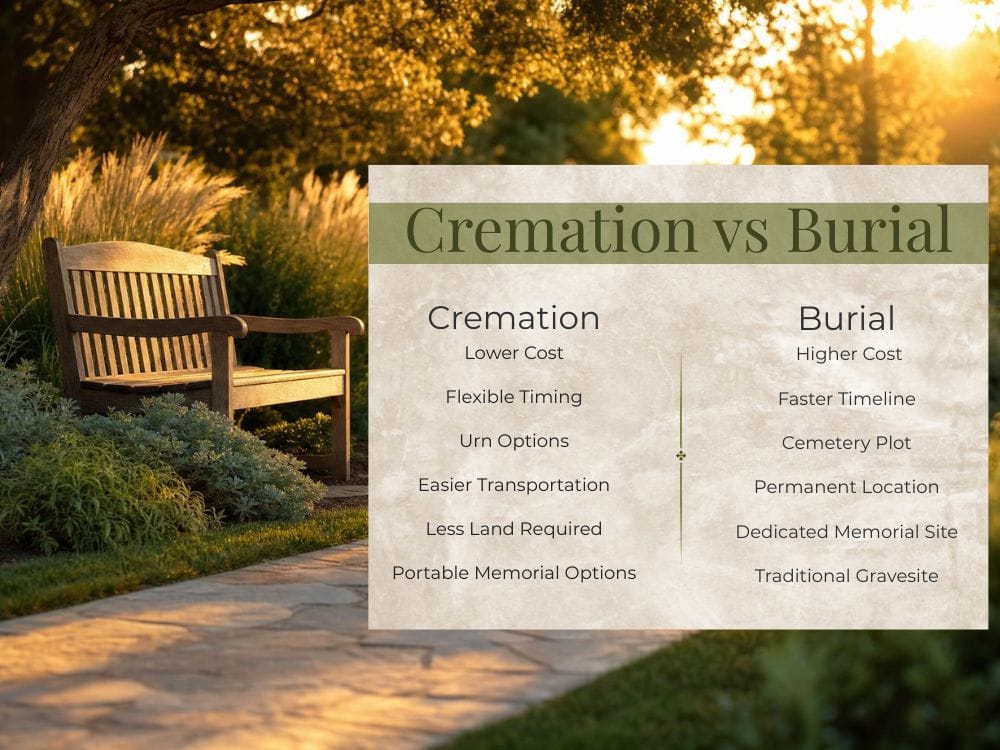
Cremation is usually less expensive than burial, especially if you choose direct cremation without a formal service.
Flexible timing
Families can plan a memorial service days, weeks, or even months later, allowing more time to gather and prepare.
Portability
Cremated remains can be kept, transported, or shared among family members in different locations.
More placement options
Ashes can be scattered, kept in an urn, placed in a columbarium, or buried in a smaller plot.
Personalization
Cremation allows families to create more personalized and non-traditional memorial experiences.
What Families Should Keep in Mind
Emotional distance
Some people find it harder to process grief without a physical gravesite or traditional viewing. However, a viewing and traditional service can still be held before the cremation.
Religious or cultural limitations
Certain faiths and traditions do not accept cremation or place restrictions on how remains are handled. I have seen the Catholic faith become more flexible with cremation, while Judaism is often more strict on burial only.
Irreversibility
Once cremation is complete, the decision cannot be undone. This can create hesitation or second thoughts for some families.
Long-term decisions
Families may feel unsure about what to do with the urn over time, especially as circumstances change. This is a huge part to consider. If the urn is not being placed in a permanent setting, it may change hands over time, making it difficult to decide what to do with it.
Why Many Families Choose Cremation
Cremation is becoming more popular and preferred nowadays. With cremation, families have a longer timeline for services. Additionally, the cost of cremation is considerably lower than that of a traditional casketed burial.
Families can choose to utilize the mortuary for what is commonly known as a “Direct Cremation”. This is when the mortuary only performs the cremation, and a family can then take the cremated remains to a place of their choosing for any services to offset the charge for utilizing the mortuary’s event space.
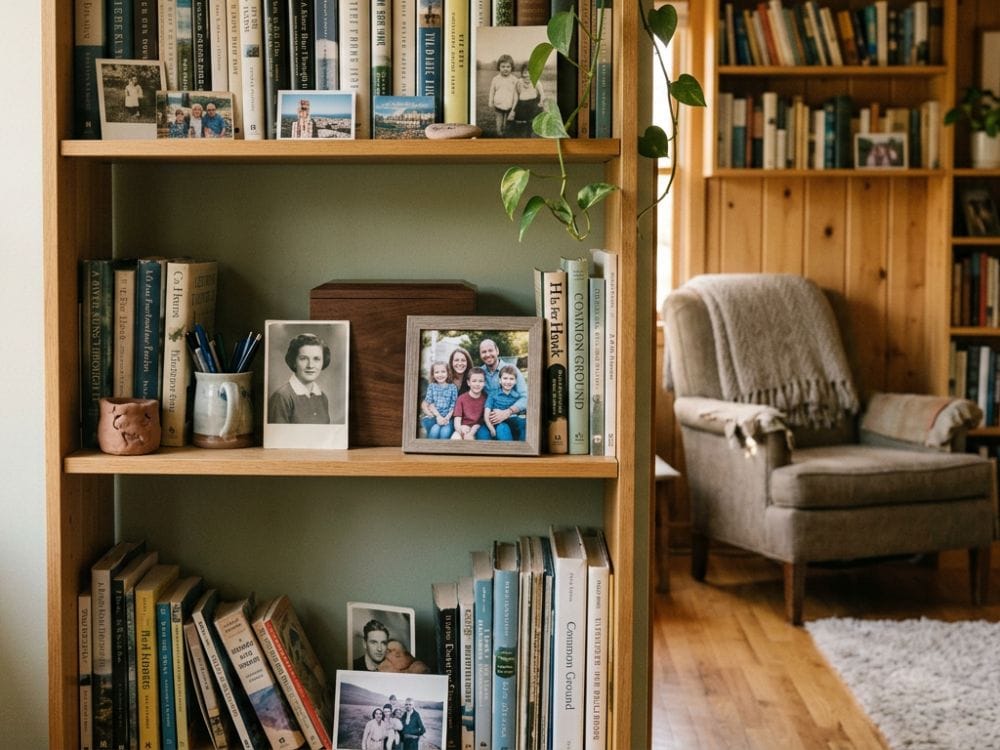
Cremated remains offer a great deal of flexibility. They can be kept in an urn, scattered in a meaningful place, buried in a cemetery, placed in a columbarium, or even divided among family members. In many cases, several of these options can be combined.
A Long-Term Perspective
One thing to consider is that cremation is a permanent decision. Once it has taken place, families are left to decide what happens to the remains both now and in the future.
Over the years, I’ve seen families struggle with questions they never expected to face. Where should the urn be kept? Who will be responsible for it someday? What happens when a home is sold, or a generation passes on?
I once worked with a family who had cared for a loved one’s urn for many years. As time passed and circumstances changed, the family became increasingly concerned about finding a permanent resting place that felt right. When they finally made that decision, it brought a sense of relief and peace that had been missing for years.
I share this experience not to discourage cremation, but to encourage thoughtful planning. Thinking about the long-term future of the remains today can spare loved ones from difficult decisions later.
Burial
Burial remains a meaningful and traditional choice for families to consider. For some, it offers a sense of permanence and connection, while for others, it can feel more structured and costly.
Understanding both sides can help you decide if it aligns with your values and preferences.
What Families Often Appreciate About Burial
Physical place to visit
A gravesite or memorial marker provides a dedicated place for loved ones to gather, reflect, and remember.
Tradition and familiarity
Burial is a long-standing practice in many cultures and religions, offering comfort through established rituals.
Family plots
Some families choose burial so they can be laid to rest together in the same cemetery over generations.
Sense of closure
A burial service can help provide emotional closure and a clear moment of goodbye.
What Families Should Keep in Mind about Burial
Higher cost
Burial often includes expenses such as a casket, cemetery plot, vault, headstone, and funeral services, which can add up quickly.
More planning required
There are additional logistical steps, including coordinating with a cemetery, meeting legal requirements, and arranging transportation.
Environmental concerns
Traditional burial may involve embalming chemicals and non-biodegradable materials that impact the environment over time. Embalming is generally not legally required, but exceptions and provider policies for a viewing can apply. Ask the provider to explain any claimed requirement.
Less flexibility
Burial typically happens within a shorter timeframe, which can require faster decision-making during an already difficult period.
Cost Comparison Between Cremation and Burial
For many families, cost plays an important role when deciding between cremation and burial. While no one wants finances to be the main focus during a difficult time, understanding the differences in advance can help reduce stress and avoid unexpected expenses later.
The cost of cremation or burial can vary depending on where you live, the funeral provider you choose, and the type of services you want. Some families prefer something simple and private, while others want a larger ceremony or permanent memorial.
What Affects Cremation Costs
Direct cremation does not include a formal viewing or funeral service beforehand. Compare local providers’ itemized quotes rather than relying on a national price range. Ask whether transport, permits, the crematory fee, and a basic container are included.
A memorial service, viewing, upgraded urn, or permanent placement can add separate charges. Ask for the price of each choice before agreeing to a package.
Additional cremation-related costs may include:
- Urn
- Memorial service venue
- Printed materials or keepsakes
- Columbarium niche
- Scattering ceremony
- Jewelry or custom memorial items
One thing many families appreciate about cremation is flexibility. Services can happen immediately, weeks later, or even months afterward, allowing more time for planning and budgeting.
What Affects Burial Costs
Traditional burial often involves funeral-home and cemetery charges. Request separate itemized quotes and check whether the plot, opening and closing, grave liner or vault, and marker are included. The FTC’s funeral pricing checklist can help you compare the same services across providers.
Burial costs often include:
- Casket
- Embalming and preparation
- Funeral home services
- Cemetery plot
- Vault or grave liner
- Headstone or grave marker
- Opening and closing of the grave
Location can make a major difference in pricing. Cemetery property in larger cities or highly populated areas is often significantly more expensive.
Why Funeral Costs Vary So Much
One of the biggest misconceptions families have is that there is a standard price for funeral services. In reality, costs can vary significantly between providers, even within the same community.
Many people are surprised to learn that they can request itemized pricing and compare options before making a decision. Under the U.S. Funeral Rule, covered funeral providers must give you a General Price List to keep when you discuss arrangements in person. They must answer price questions by phone, but are not required to send a price list by email or mail. See the FTC’s guidance on comparing prices.
It’s also important to recognize that the funeral industry is a business. Like any business, providers offer services and products they believe will meet a family’s needs. At the same time, families are often making decisions during one of the most emotional and vulnerable periods of their lives.
Whenever possible, take the time to ask questions, compare options, and understand exactly what is included in the price. You are not obligated to choose the first provider you speak with or the first package presented to you.
I also understand that after a recent loss, time is not always on your side. Sometimes decisions must be made quickly. My hope is that this guide gives you enough knowledge and confidence to make informed choices, whether you have weeks to plan ahead or only a few days to make arrangements.
Ways Families Can Reduce Costs
- Choosing cremation without a formal viewing
- Holding a memorial service at home or another meaningful location
- Comparing prices between funeral homes
- Selecting simpler caskets or urns
- Planning ahead instead of making rushed decisions during a crisis
The most expensive option is not always the most meaningful. Families often remember the personal moments, shared stories, and time together far more than the cost of the arrangements themselves.
Environmental Impact of Cremation and Burial
More families are beginning to think about how their final arrangements may affect the environment. For some, sustainability plays a major role in the decision between cremation and burial. For others, it is simply one part of a larger conversation about values and legacy.
Both cremation and burial have environmental impacts, but those impacts vary depending on the choices made.

Environmental Considerations with Cremation
Cremation requires high heat in a specialized chamber, typically powered by natural gas. This process uses energy and releases carbon dioxide into the atmosphere. Different states and mortuaries are now offering water cremation.
Water cremation, also called aquamation or alkaline hydrolysis, uses water, alkaline chemicals, and heat to reduce the body to bone fragments. Availability and legal requirements vary by location.
Many people choose it because it is considered better for the environment and uses less energy than traditional cremation. After the process is finished, the family receives the remains, which can be kept, buried, or scattered, much like traditional cremation.
While cremation does not require land for a traditional gravesite, some people are surprised to learn that the process itself still carries an environmental footprint.
At the same time, cremation avoids some of the long-term land use and materials associated with traditional burial. Families also have more flexibility when choosing how and where remains are placed.
Environmental Considerations with Burial
Traditional burial can involve embalming chemicals, metal caskets, concrete vaults, and long-term land use. For some families, these factors raise environmental concerns.
Burial practices are evolving, however. Green burial options focus on simplicity and natural decomposition.
Bodies are typically buried without embalming fluids and placed in biodegradable caskets or burial shrouds. Many green cemeteries also avoid concrete vaults and use natural landscaping instead of traditional grave markers.
Eco-Friendly Memorial Options
Families today have more choices than ever for environmentally conscious memorialization.
Some options include:
- Biodegradable urns
- Tree planting memorials
- Natural burial shrouds
- Water-based cremation alternatives
- Locally sourced caskets or urns
In My Experience
In my experience, when people talk about environmental concerns, it is rarely just about carbon footprints or materials. More often than not, they want their final arrangements to reflect the values they lived by throughout their lives.
For some, that means simplicity. For others, it means tradition. Neither approach is wrong.
Religious and Cultural Considerations
Religious beliefs and cultural traditions often play an important role when choosing between cremation and burial. For many families, these practices provide comfort, guidance, and a sense of connection during difficult moments.
Views on cremation and burial can vary widely depending on faith, family traditions, and personal beliefs. Even within the same religion, individual preferences may differ.
Christianity
Many Christian denominations accept both burial and cremation, although traditions and preferences may vary.
The Catholic Church permits cremation and generally requires ashes to be kept in a sacred place. A 2023 clarification allows church authorities to consider limited exceptions for a minimal portion of ashes. Consult your parish before choosing placement or scattering.
Many Protestant denominations leave the decision up to the individual or family.
Eastern Orthodox traditions generally favor burial and may discourage cremation.
Judaism
Traditional Jewish practices strongly favor burial, often within a short period after death. In Orthodox Judaism, cremation is generally prohibited.
Some Reform and Conservative Jewish communities may be more accepting of cremation, although burial remains the more common practice.
Islam
In Islam, burial is required, and cremation is prohibited. Islamic funeral traditions typically include washing the body, wrapping it in a simple cloth, and burial as soon as possible after death.
Hinduism
Cremation is widely practiced in Hindu traditions and is considered an important part of the soul’s spiritual journey. Burial is less common and is usually reserved for specific circumstances or religious figures.
Buddhism
Both cremation and burial are accepted in Buddhism, although cremation is more common in many Buddhist communities and cultures.
Cultural and Family Traditions
For some families, the decision may have less to do with religion, and more to do with family expectations, ancestry, or cultural customs passed down through generations.
In my experience, there is rarely a one-size-fits-all answer when faith, culture, and family traditions are involved. What matters most is understanding the values behind the decision and having conversations early enough that loved ones are not left guessing.
Clear communication today can prevent uncertainty and conflict later.
A Gentle Reminder
Religious and cultural traditions are deeply personal. If faith plays an important role in your decision, it may help to speak with a trusted spiritual leader, religious advisor, or family elder who understands your traditions and values.
Questions to Help Guide Your Decision
Choosing between cremation and burial is deeply personal. For many people, the decision becomes clearer when they slow down and reflect on what matters most to them and their families.
There is no perfect answer. The goal is not to choose what others expect, but to choose what feels most meaningful, practical, and comforting for you and the people you love.

Questions About Personal Values
Sometimes the clearest answers come from slowing down and reflecting on what matters most to you personally. These questions can help guide your thinking as you consider your options.
- What feels more meaningful to me personally?
- Do I prefer the idea of a permanent resting place or more flexibility?
- How important is simplicity in my final arrangements?
- Do I want my final wishes to reflect certain values, traditions, or beliefs?
Questions About Family and Loved Ones
End-of-life decisions do not only affect us personally. They also impact the people we care about most. These questions can help you think through how your choice may support your loved ones emotionally and practically.
- Would my family find comfort in having a gravesite to visit?
- Would cremation make things easier for loved ones who live far away?
- How might this decision affect the people closest to me emotionally?
- Have I clearly communicated my wishes to my family?
Questions About Financial Planning
Financial considerations are a practical part of end-of-life planning. Thinking about costs ahead of time can help reduce pressure and make future decisions easier for your family.
- What feels financially realistic for me or my family?
- Would preplanning help reduce stress or uncertainty later?
- Am I comfortable setting aside funds for future arrangements?
Questions About Religious or Cultural Beliefs
For many people, faith, culture, and family traditions play an important role in end-of-life decisions. Taking time to reflect on these beliefs can help bring clarity and confidence to your choice.
- Are there traditions or spiritual beliefs I want to honor?
- Do my personal wishes align with my family’s expectations?
- Should I speak with a religious or cultural advisor before deciding?
Questions About Legacy and Remembrance
Thinking about how you want to be remembered can help shape decisions that feel personal and meaningful. These questions focus on the kind of memory and experience you hope to leave behind for the people you love.
- How do I want to be remembered?
- Do I want a physical place where loved ones can gather?
- Would I prefer a more private or more traditional memorial experience?
What I Have Learned From Helping Families
Many families already know what feels right deep down. What they often need most is permission to talk about it openly.
Some of the most meaningful conversations I have witnessed did not happen in funeral homes. They happened around kitchen tables, during quiet car rides, or in everyday moments when someone finally said, “I think we should talk about this.”
Those conversations can bring clarity long before difficult decisions ever need to be made.

What Matters Most
Choosing between cremation and burial is a deeply personal decision.
For some families, the choice is guided by faith or tradition. For others, cost, environmental concerns, family preferences, or a loved one’s final wishes play a larger role.
There is no universally right answer.
The best choice is the one that reflects your values, honors your wishes, and brings peace of mind to the people who will one day carry them out.
If you’re making this decision after a loss, give yourself permission to slow down, ask questions, and gather the information you need. If you’re planning ahead, know that taking the time to document your wishes is one of the most meaningful gifts you can leave your family.
A Gentle Next Step
If you’d like help organizing your thoughts and comparing your options, we’ve created a free Cremation vs. Burial Decision Kit.
Inside you’ll find:
- A side-by-side comparison of cremation and burial
- Questions to help guide your decision
- A funeral home meeting preparation worksheet
- A funeral budget planning worksheet
- Space for notes, family discussions, and next steps
Whether you’re making decisions today or planning for the future, this guide can help you move forward with greater clarity and confidence.
Download the Free Cremation vs. Burial Decision Kit and work through it at your own pace.
For additional planning resources, be sure to explore our free End-of-Life Planning Toolkit, which includes planning worksheets, organizational tools, and resources to help you document your wishes and prepare your family for the future.
Because planning isn’t about having all the answers today. It’s about giving yourself and your family a clearer path forward.
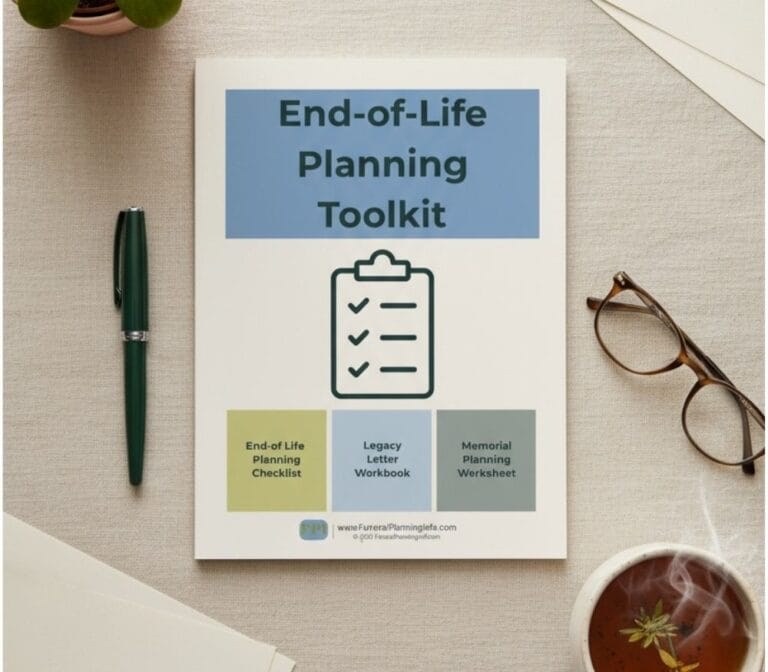
Get Your Free
End-of-Life Planning Toolkit!
This simple, powerful toolkit will help you start conversations, record your wishes, and take control of one of life’s most difficult topics—with compassion and clarity.
✅ Make your wishes clear and spare your family confusion
✅ Leave behind messages that bring peace and connection
✅ Handle details now—so others don’t have to later
Everything inside is reviewed for clarity and emotional safety, so you can trust each step you take.
Frequently Asked Questions About Cremation and Burial
Is cremation cheaper than burial?
In most cases, yes. Cremation is generally more affordable than traditional burial because it does not require expenses like a cemetery plot, vault, or full-size casket. Direct cremation is usually the least expensive option.
Can you still have a funeral with cremation?
Absolutely. Choosing cremation does not mean giving up the opportunity for a meaningful service. Some families hold a traditional funeral before cremation, while others plan a memorial service afterward.
Can ashes be buried in a cemetery?
Yes. Many cemeteries offer burial spaces for cremated remains, including smaller plots, columbarium niches, or placement within existing family plots.
What is direct cremation?
Direct cremation is a simple form of cremation that takes place without a formal viewing or funeral service beforehand. Families can still choose to hold a memorial service later if they wish.
Is burial more environmentally friendly than cremation?
It depends on the type of burial or cremation chosen. Traditional burial and traditional cremation both have environmental impacts. Green burial and newer alternatives like aquamation are often considered more environmentally conscious options.
Does religion allow cremation?
This depends on the faith and individual beliefs involved. Some religions accept cremation, some prefer burial, and others prohibit cremation entirely. If religion is important in your decision, speaking with a trusted spiritual advisor can help provide guidance.
Can I change my end-of-life plans later?
Yes. In most cases, prearranged funeral plans and personal preferences can be updated as your wishes or circumstances change. It is a good idea to review your plans periodically and ensure your family is aware of your current wishes.
What happens if no plans are made?
If no instructions are left behind, decisions are usually made by the next of kin or closest family members. This can sometimes create confusion, stress, or disagreements during an already emotional time. Even basic planning and conversations ahead of time can make a significant difference for loved ones.
